Giới thiệu

1932

The Birth of Wharfedale

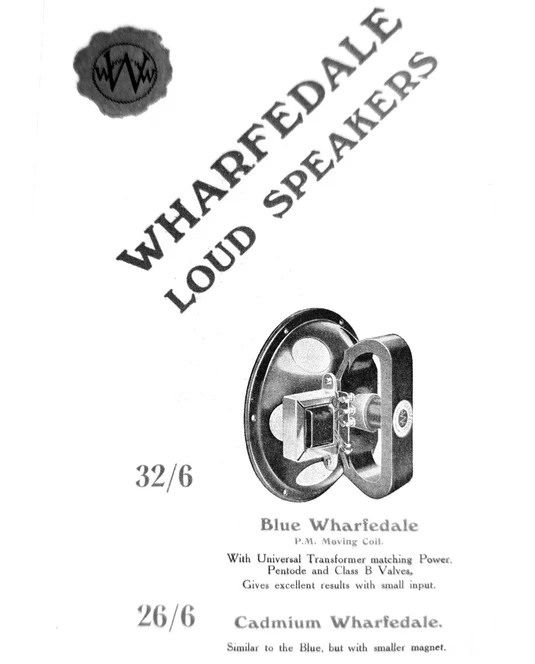
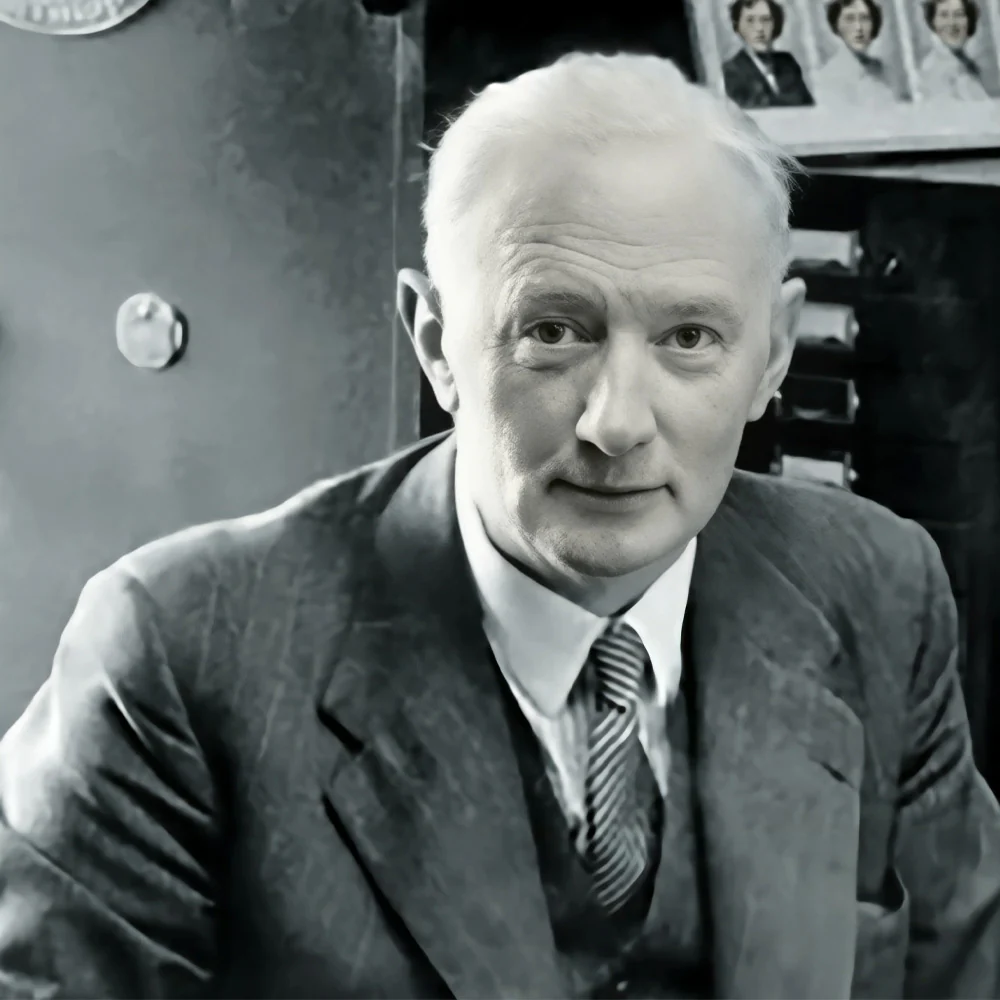
Wharfedale was founded in 1932 by Gilbert Briggs, a music enthusiast and amateur engineer. He built his first loudspeaker in the cellar of his home in Ilkley, Yorkshire. The location, nestled in the valley of the River Wharfe—an area known as Wharfedale—inspired the brand name.

Gilbert’s commitment to high-fidelity sound reproduction would go on to shape the hi-fi world. His legacy includes pioneering work in speaker design and a life-long love of live music as the benchmark for audio performance.

1933

Wharfedale Wireless Works

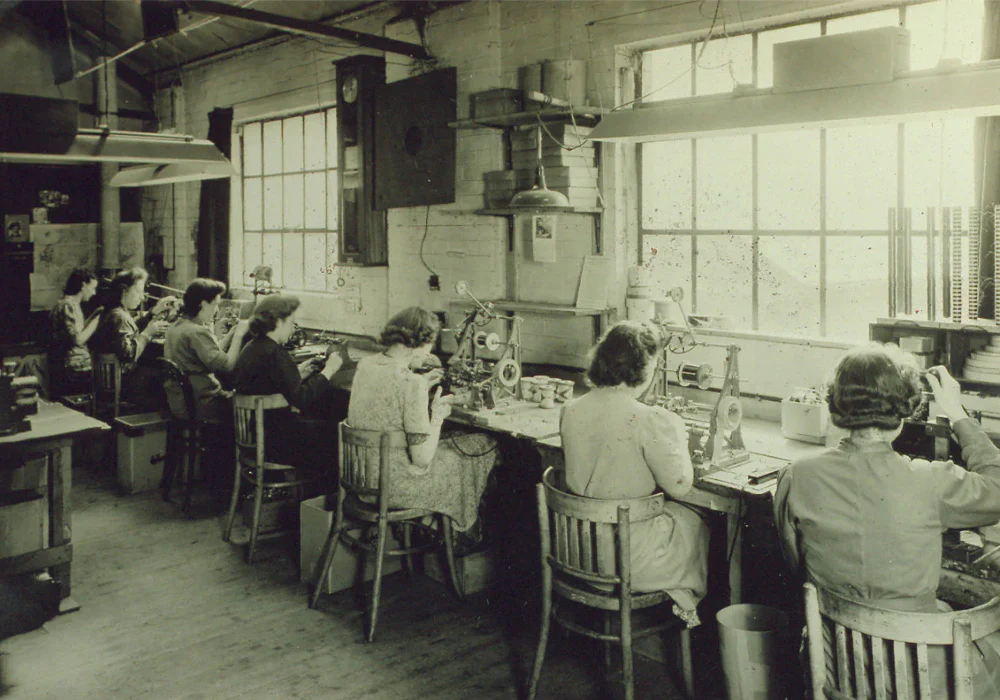
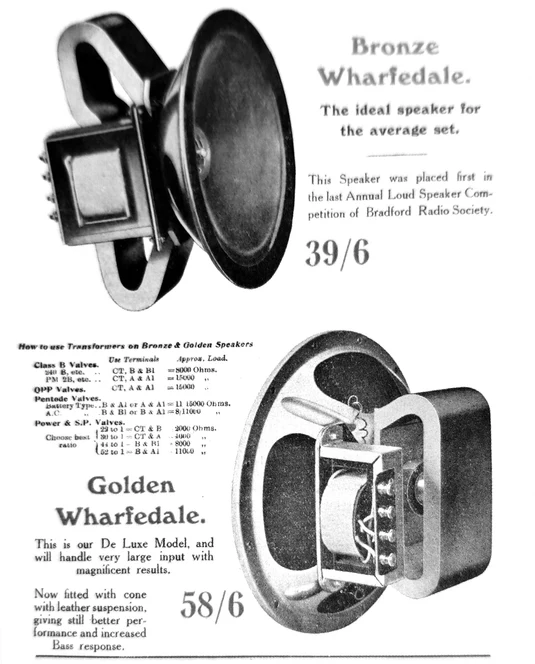
Briggs moved into a small factory near Bradford to produce speaker drive units. His wife Doris handled the early production, assembling components by hand. That year, he entered the Bradford Radio Society’s competition and took both first and second place, leading to Wharfedale’s first large order.

By the start of World War II, Wharfedale was producing over 9,000 units per year, setting the stage for national recognition.

1936

Wartime Contribution

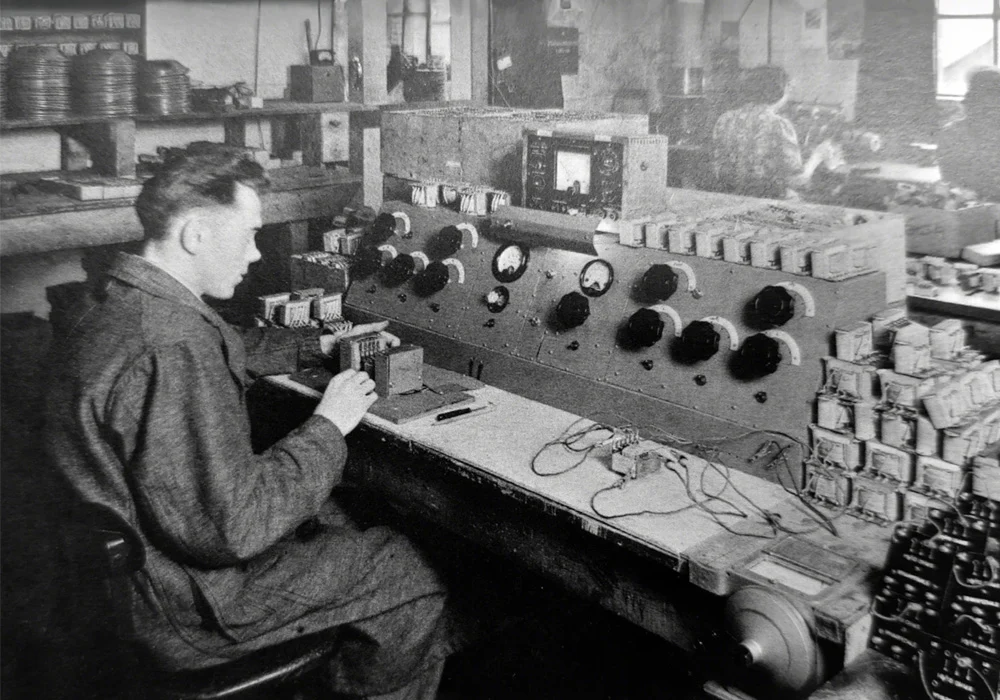
Wharfedale expanded to larger premises in Bradford. During WWII, the company was commissioned to manufacture transformers for Marconi, producing 40,000 units with a small team of 20 skilled technicians. Despite wartime constraints, Wharfedale preserved its reputation for precision engineering.

1945

Innovation with the Two-Way Speaker

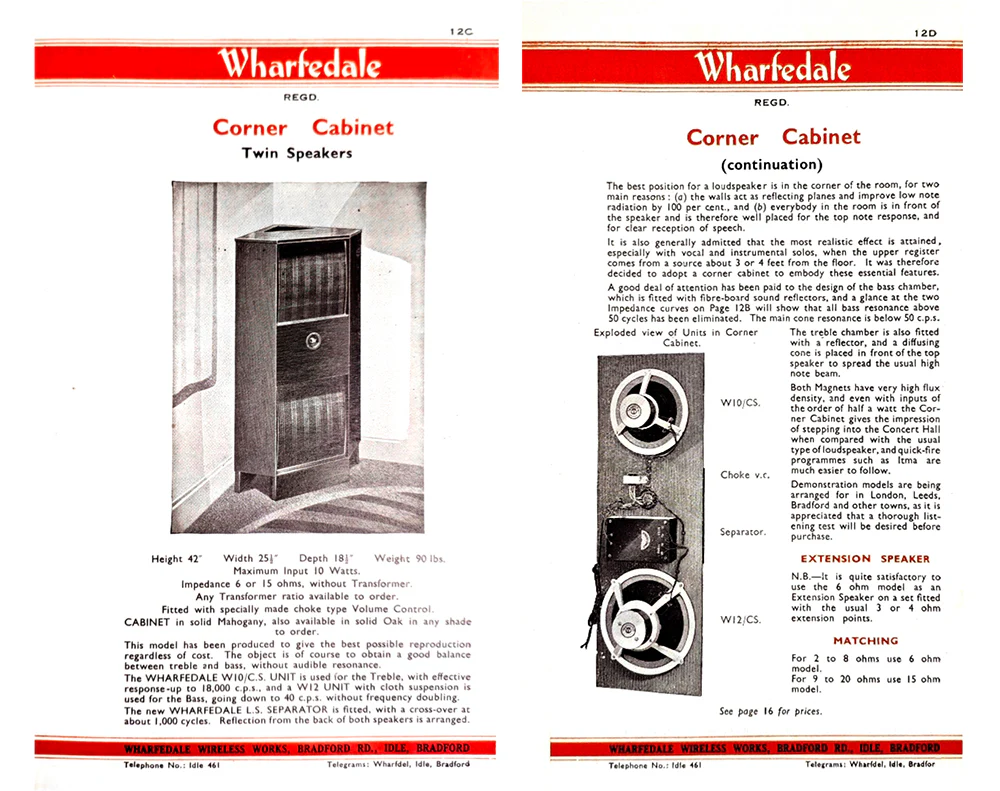
Post-war America saw rising demand for high-quality sound systems. Wharfedale responded with one of the first two-way loudspeakers—a revolutionary design featuring a dedicated tweeter and mid/bass driver with an advanced crossover system. Though massive by today’s standards, it set the blueprint for modern speakers.

1948

Publishing Begins

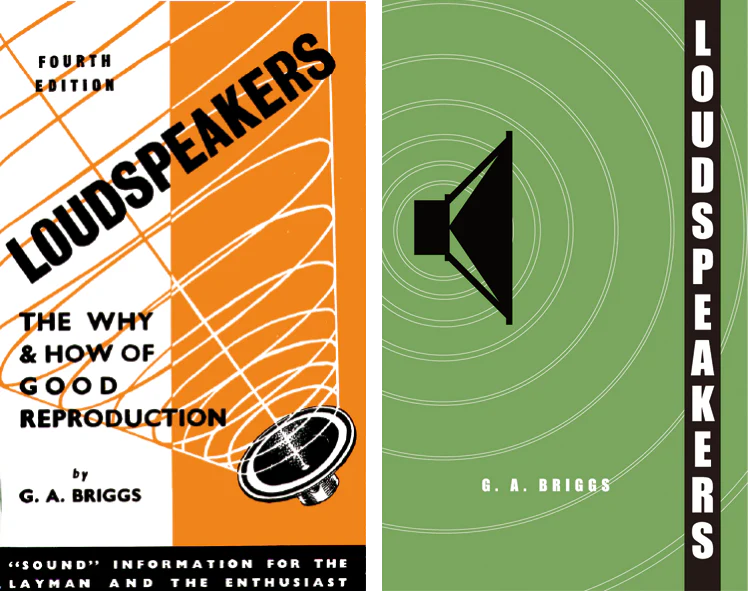
Briggs published his first book, Loudspeakers: The Why and How of Good Reproduction, followed by Sound Reproduction and others. His works sparked thousands of letters of correspondence, solidifying his position as an educator and visionary in sound science.

1950s

Live vs. Recorded Concerts with QUAD

In a groundbreaking demonstration that blurred the line between art and science, Wharfedale and QUAD joined forces in the 1950s to stage a series of revolutionary live versus recorded concerts—events that became legendary in the world of hi-fi. These demonstrations featured a live musical performance followed by an immediate playback of the same performance through QUAD amplification and Wharfedale loudspeakers, all behind a curtain to conceal the source. The goal? To test whether audiences could distinguish between the live musicians and the reproduced sound. The results were astonishing: many listeners struggled to tell the difference, a testament to the extraordinary fidelity of the equipment. These events didn’t just showcase technological prowess—they elevated audio reproduction to a form of acoustic truth, solidifying Wharfedale and QUAD as pioneers committed to capturing the realism and emotional impact of live music through recorded sound.

In 1958, Hi-Fi News & Record Review reported on the significance of these demonstrations, noting they “redefined the possibilities of the domestic loudspeaker.”